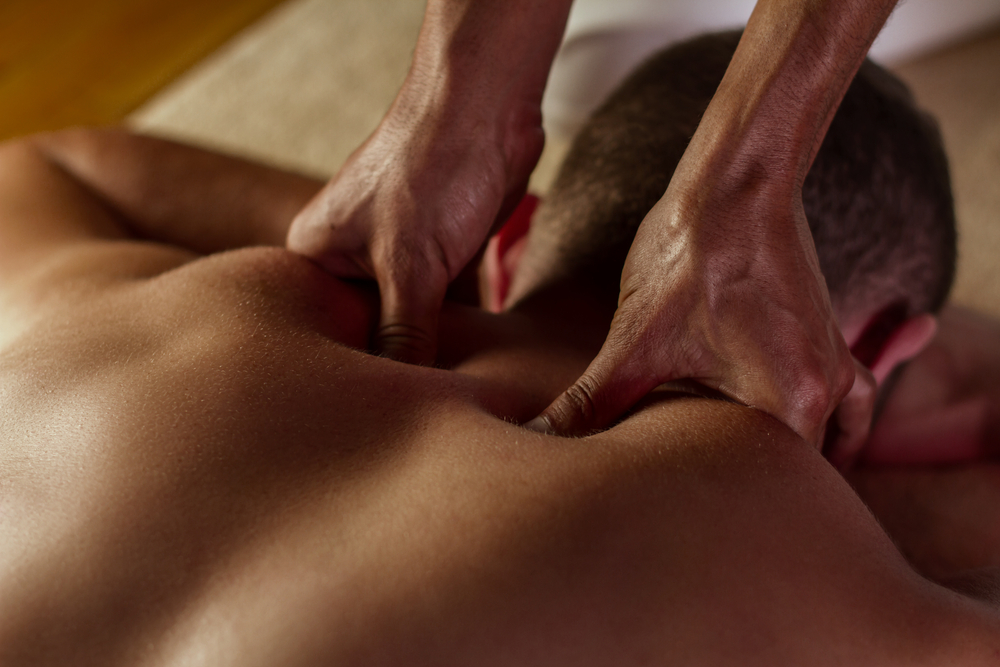
One of the great benefits of deep tissue massage is how it helps speed up recovery from a number of aches, pains, or even more significant issues. These benefits are applicable across numerous sports and activities, and one fantastic example is CrossFit.
At ImPackt Physical Therapy, we’re here to offer the very best deep tissue massage and other massage therapy services for patients around Utah, plus various other physical therapy solutions we integrate massage. Here are some basics on the muscle recovery mechanisms that deep tissue massage helps promote, plus how these speak specifically to CrossFit athlete needs and how those in this pursuit can utilize this form of massage therapy for their recovery.
Muscle Recovery Mechanisms Deep Tissue Massage Facilitates
Deep tissue massage helps promote muscle recovery in several direct ways:
Circulation
One of the top ways deep tissue massage helps facilitate muscle recovery is by increasing circulation throughout the body. This is done through various techniques such as kneading, stroking, and applying pressure to targeted areas. By increasing blood flow, more oxygen and nutrients are able to reach the muscles, helping with repair and regeneration.
Fascia Release
Another benefit of deep tissue massage is the release of fascia, which is connective tissue that surrounds and supports muscles. When this tissue becomes tight or restricted, it can cause pain and restrict movement. Deep tissue massage helps to loosen and stretch the fascia, allowing for a better range of motion and reducing discomfort.
Toxin Removal
Because deep tissue massage involves targeting deeper layers of muscle, it can also help to flush out toxins from the body. This is due to increased blood and lymphatic circulation, which helps to remove waste products and improve overall detoxification.
Specific CrossFit Issues Deep Tissue Massage Helps With
Because of these and other recovery benefits, deep tissue massage is especially effective for many CrossFit athletes. Here are a few common issues these athletes face, for which this form of massage therapy can be effective:
- DOMS: The acronym DOMS stands for Delayed Onset Muscle Soreness, which is a common issue faced by CrossFit athletes. This refers to the muscle soreness and stiffness that often sets in 24-48 hours after an intense workout. Deep tissue massage can help alleviate this discomfort by promoting blood flow and reducing inflammation.
- Tight quadriceps: One particular area of the body that tends to get tight and sore for CrossFit athletes is the quadriceps. This muscle group can become overworked and fatigued due to the high volume of squats, lunges, and other lower-body exercises performed in a typical CrossFit workout. Deep tissue massage can target these muscles and release tension, improving flexibility and reducing pain.
- Shoulder fatigue: CrossFit workouts often involve a lot of overhead movements such as snatches, push presses, and handstand push-ups. As a result, the shoulders can become fatigued and tight, leading to discomfort and potential injury. Regular massage therapy can help relax the muscles in the shoulder area and improve range of motion, allowing for better performance in these types of exercises.
- Lower back pain: Many CrossFit athletes experience lower back pain due to the high-intensity nature of the workouts and heavy lifting involved. Massage therapy can help alleviate this pain by targeting tight muscles and improving circulation in the affected area. Incorporating massage into a regular recovery routine can also prevent future injuries and improve overall posture and spinal alignment.
How to Determine Massage Frequency
If you’re a CrossFit athlete, how often should you receive a deep tissue massage? The answer depends on a few factors: your individual needs, the intensity and volume of your workouts, and your budget.
Some athletes find that a weekly massage helps them recover faster and perform better in their training. Others may only need a massage every 2-3 weeks to maintain healthy muscle function. If you’re experiencing chronic pain or injuries, you may benefit from more frequent massages until the issue is resolved.
In addition to considering your personal needs and workout schedule, it’s important to listen to your body. If you feel excessively sore or tight after a particularly intense workout, it may be a sign that you need more frequent massages. On the other hand, if you feel good and are recovering well with minimal discomfort, then less frequent sessions could be fine for you.
At ImPackt Physical Therapy, we offer the top deep tissue massage and other massage therapy services available for physical therapy clients around Utah. Contact us today to schedule a consultation and learn more about how massage therapy can benefit your workout routine and overall physical health, whether you’re a CrossFit athlete or any other group!